

History of the collections
Building the collections between the 18th and 21st centuries
From archaeological excavations, destructions during the dechristianisation of France, Revolutionary-era seizures and the long-term loan of artworks belonging to the French State, to purchases, donations and bequests, French museums have a range of avenues through which to build their collections. The formation of the Musée des Augustins’ holdings is a story in its own right, reflecting both the development of museums between the 18th and 20th centuries and the more specific history of the city of Toulouse. .

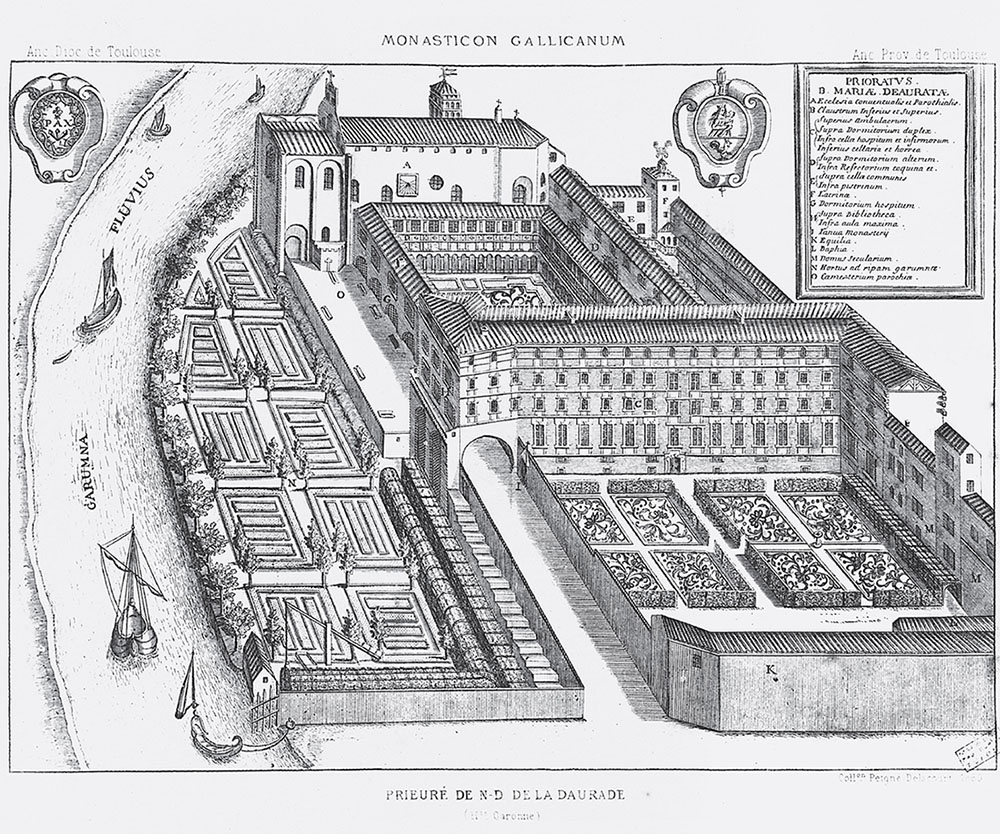
Some Romanesque works originate from this Toulouse monastery, since destroyed.
Notre-Dame de la Daurade Priory in the 17th century. Extract from engraving 140 in the Monasticon Gallicanum.
© Bibliothèque Nationale de France
From many cloisters to our cloister
The Musée des Augustins’ exceptional collection of Romanesque sculpture, known to specialists the world over, comes from three of Toulouse’s most important religious buildings: La Daurade Monastery, the Collegiate Church of Saint-Sernin and Saint-Étienne Cathedral. The destruction of religious works began in the 18th century, partly due to a lack of interest in art from the Middle Ages and the law requiring the nationalisation of church property enacted during the French Revolution. These destructions continued into the 19th century with the advent of major urban development projects, such as Haussmann’s renovation of Paris. The collection steadily acquired numerous remnants gathered by the engineers overseeing their destruction, teachers from the École des Beaux-Arts and Alexandre Du Mège, the museum’s curator between 1832 and 1862. Later, the museum’s collection continued to absorb precious fragments from decommissioned religious buildings facing demolition, such as Cordeliers Church, Grands Carmes Convent and the Pénitents Noirs Church.
From many churches to our church
The Revolution was a major turning point in the history of France’s publicly owned collections. Many assets and estates held by the Church, the Crown and some noble families were confiscated, for financial, political and symbolic reasons. Now national assets, churches were swiftly stripped of their riches. In Toulouse, the Convent of Les Augustins harboured works recovered after they were seized during the French Revolution: in 1795, when it opened, it held 69 paintings from the convents and churches of Toulouse in its Muséum provisoire du Midi de la République (the French Republic’s temporary museum of the Midi region).
From Toulouse’s most influential corners to the Muséum provisoire
In addition to the Revolutionary-era seizures were collections from the Académie royale des Sciences et des Arts de Toulouse (Toulouse’s royal academy of arts and sciences) and a great many works taken from the Capitole (Toulouse’s city hall) during the successive renovations of its galleries. The transfer of the sculptures ornamenting the city’s squares and gardens, which were replaced with copies, was the cherry on top, securing a special place for the Musée des Augustins in the city’s cultural heritage.
From the State to the regions: seizures and conquests
Not long after its creation, the Musée des Augustins’ collection also became a formidable anthology of 17th, 18th and 19th-century Western painting. The museum received a host of artworks after the Napoleonic wars: Toulouse features in the 1801 Chaptal Decree (named after the Minister of the Interior at the time), which provided for the distribution between 15 French towns of the remarkable works brought to Paris during the territorial annexations. The Musée des Augustins did particularly well out of this decentralised policy, receiving 71 paintings between 1803 and 1812. Thus, very early in its existence, the collection secured works signed by Europe’s finest painters, including the large altar paintings which fill the space in the church.
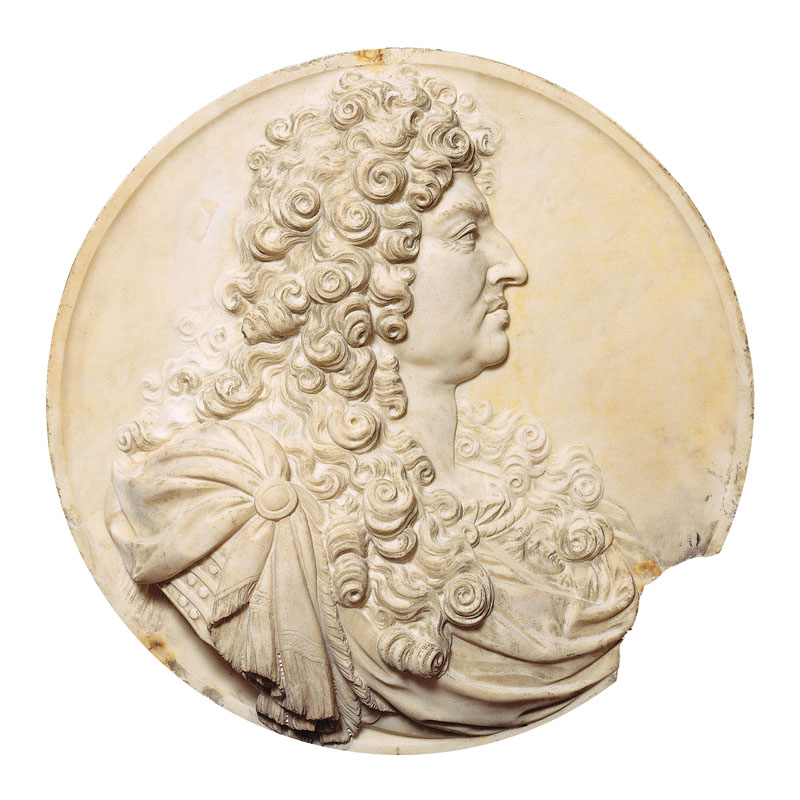
An item seized from the Académie joins the collections
Medallion depicting Louis XIV by Marc Arcis, originating from the collections of the Académie royale des Sciences et des Arts de Toulouse, seized in 1797.
Toulouse, musée des Augustins – Photo Bernard Delorme
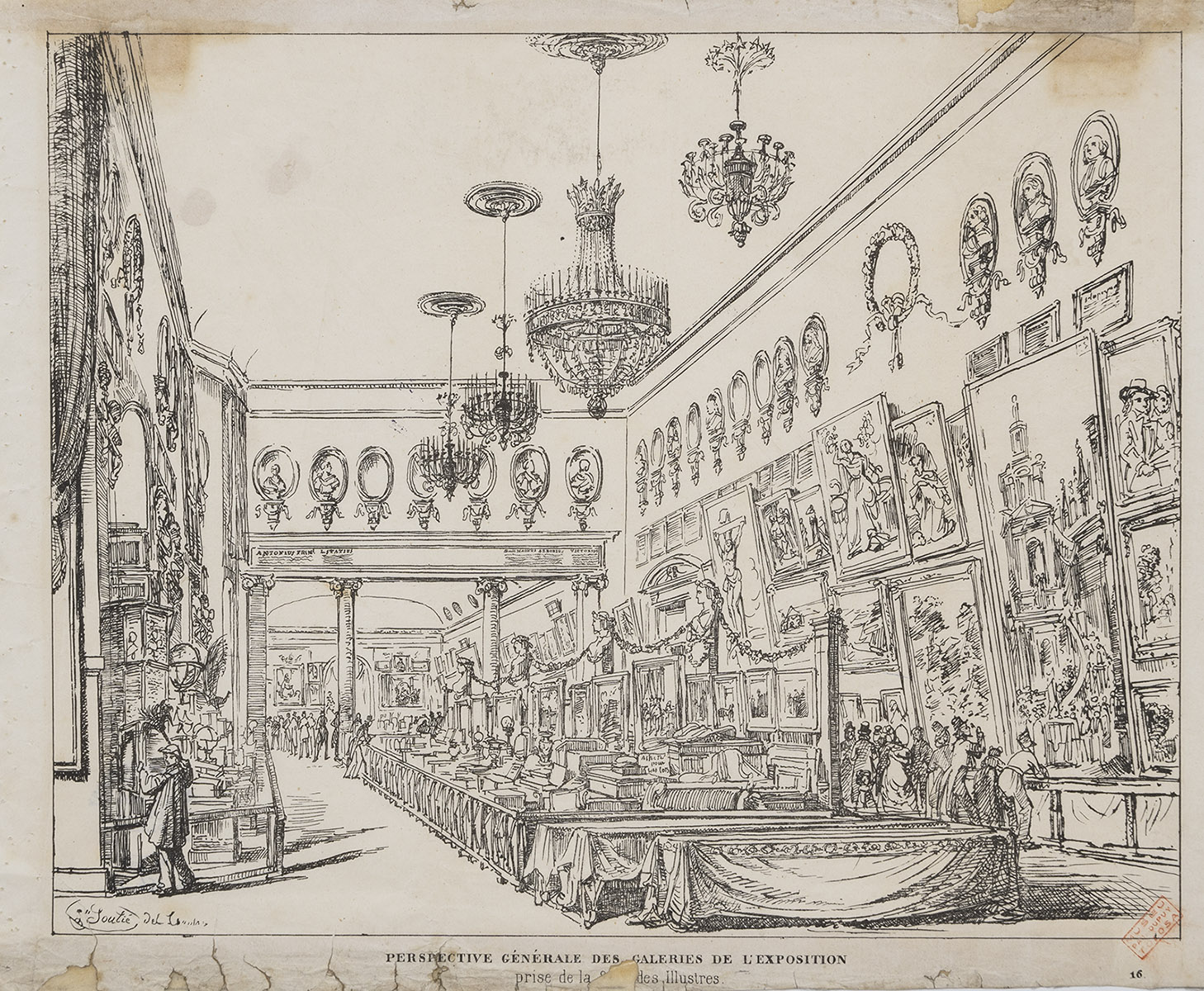
An exhibition in the galleries of the Capitole, Toulouse, 1840
The museum bought a painting during this “exhibition of fine art and manufacturing” in 1840. Engraving by Soulié: Toulouse, Musée Paul-Dupuy.
From the Paris Salon to local exhibitions
The artworks seized during the French Revolution sometimes came from private exhibitions: those of leading collectors, royal holdings and the collections of the nobility.
The tradition of the long-term loan of artworks belonging to the French government also continued, significantly enhancing the displays of the Musée des Augustins throughout the 19th and 20th centuries. During the 19th century in particular, many works were singled out and acquired at the Paris Salon, which shaped artistic life in the capital: purchased by the French government, these paintings and sculptures were then deposited at the Musée des Augustins. Later, especially throughout the 20th century, the City of Toulouse made regular acquisitions at the various exhibitions that punctuated local cultural life.
Generosity: donations and bequests
The museum has received 400 donations (given during the donor’s lifetime) and bequests (after their death) since its creation. A fair few artists formed part of this wave of generosity, many of whom were former students of Toulouse’s École des Beaux-Arts. The museum hosted the school between 1804 and 1895.
In addition, art collectors with a strong attachment to their city have wanted to bestow their collection on the museum. Sponsors, friends of the museum and private individuals continue to enhance the Musée des Augustins.
We would like to take this opportunity to thank them all !
Purchases
Purchasing artwork remains one of the main methods of acquisition, in large part thanks to the efforts of the local authority. Since 1982, the French government and the regional council have provided financial assistance to the museums of France to help them achieve their core mission: enrich, complete and renew publicly owned collections. The Musée des Augustins is a designated Musée de France: one of France’s main public museums.
One of the museum’s most recent purchases – The Lute Player by Nicolas Tournier – was made possible thanks to the actions of several parties: the city hall of Toulouse received support for this ambitious project with special financial assistance from the government via the French Ministry of Culture’s heritage fund, and generous support was received from the Association des Amis du musée des Augustins (association of the friends of Les Augustins).
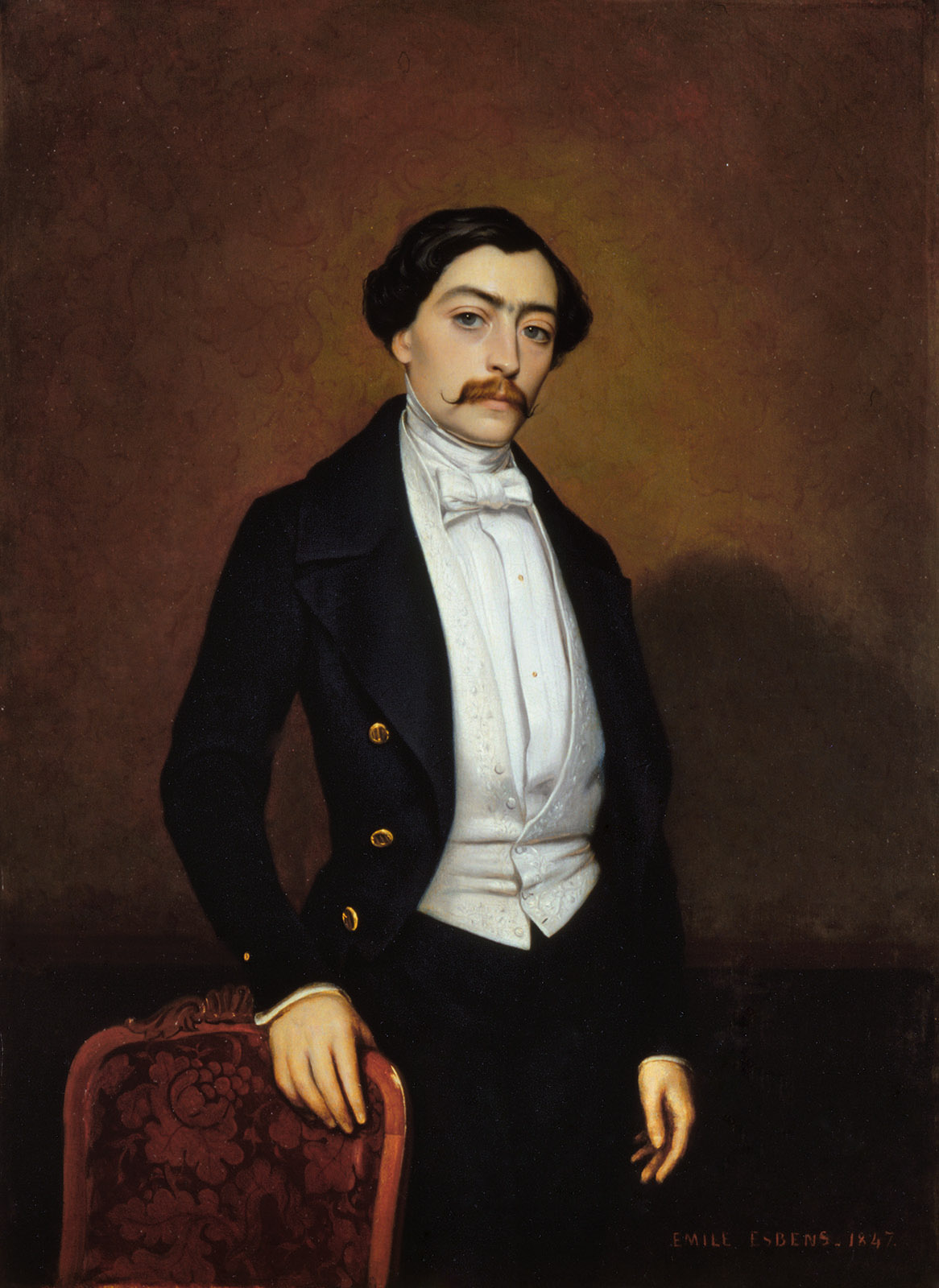
Pierre Maury left 58 paintings to the museum !
This portrait of the collector and donor Pierre Maury by Emile-Etienne Esbens was itself donated to the Musée des Augustins by Mr Fabre, a Toulouse-based notary.
Toulouse, musée des Augustins – Photo Bernard Delorme


