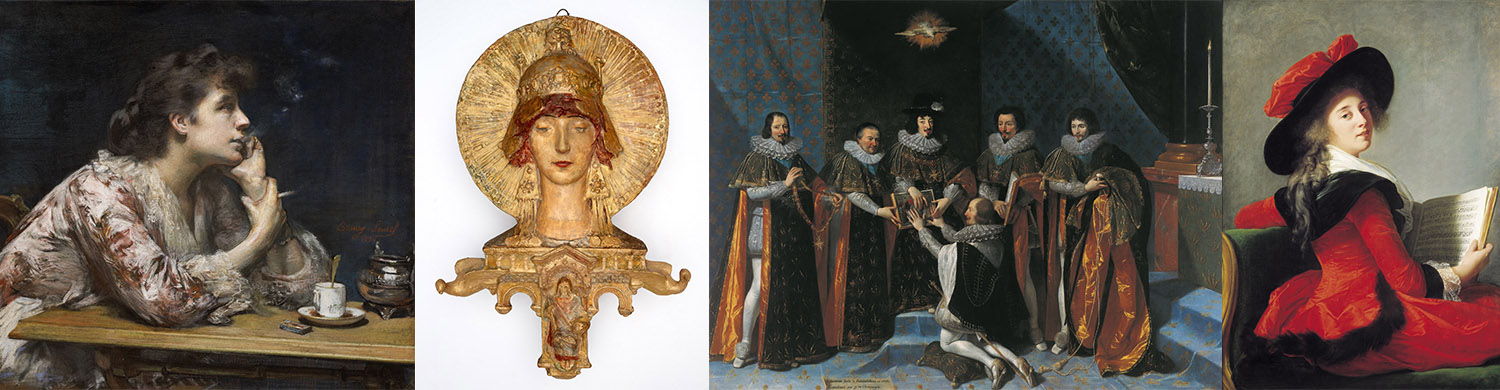

A fresh design for the museum
Neither quite the same nor completely different: we have rolled out new exhibition designs to offer visitors a fresh pathway through the museum. Sensitive and coherent, this redesign breathes new life into the Musée des Augustins visitor experience.
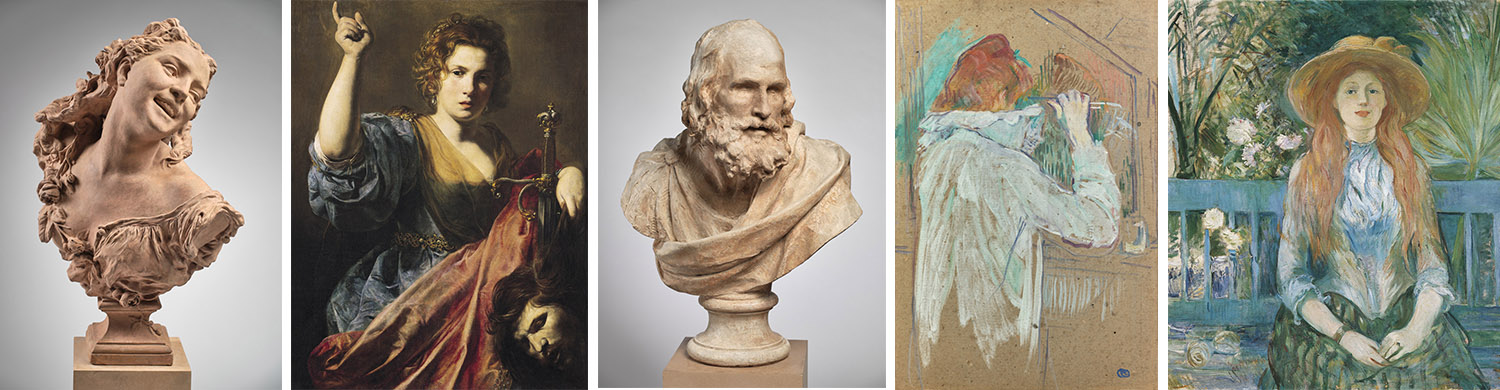
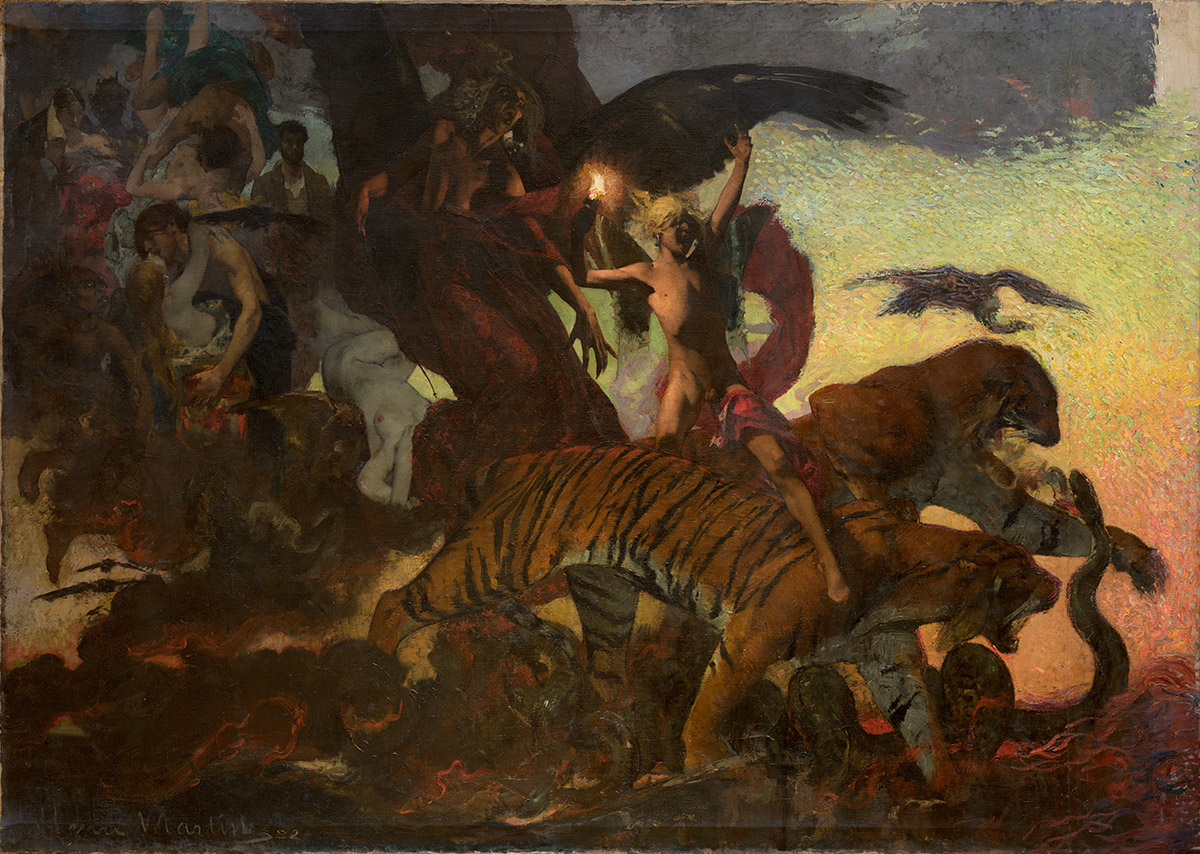
One of the museum’s most recent acquisitions to discover
Henri Martin, Race to the abyss, 1882.
Toulouse, Musée des Augustins – Photo Daniel Martin
A new pathway…
The museum’s closure provided an opportunity to rethink the visitor experience by changing the route through the galleries, showcasing the transition areas and rewriting the tale told by the collections by displaying well-known works alongside others that are less familiar. We have turned the spotlight on new themes while contemporary projects provide a fresh way of considering the building, contributing to our brand-new visitor experience.
… to explore the collections afresh
What is it that makes the Musée des Augustins’ collection so special? How did the artworks on display before us get here, and, as a whole, what history of Toulouse do they tell us? As a repository of the city’s long-lost monuments, the Musée des Augustins has received hundreds of artworks on loan from the French government, as well as through the generosity of donors and sponsors. There are so many threads to draw together, reminding us how museums are living, responsive places – collective constructions shaped by countless choices, and just as many chance occurrences.
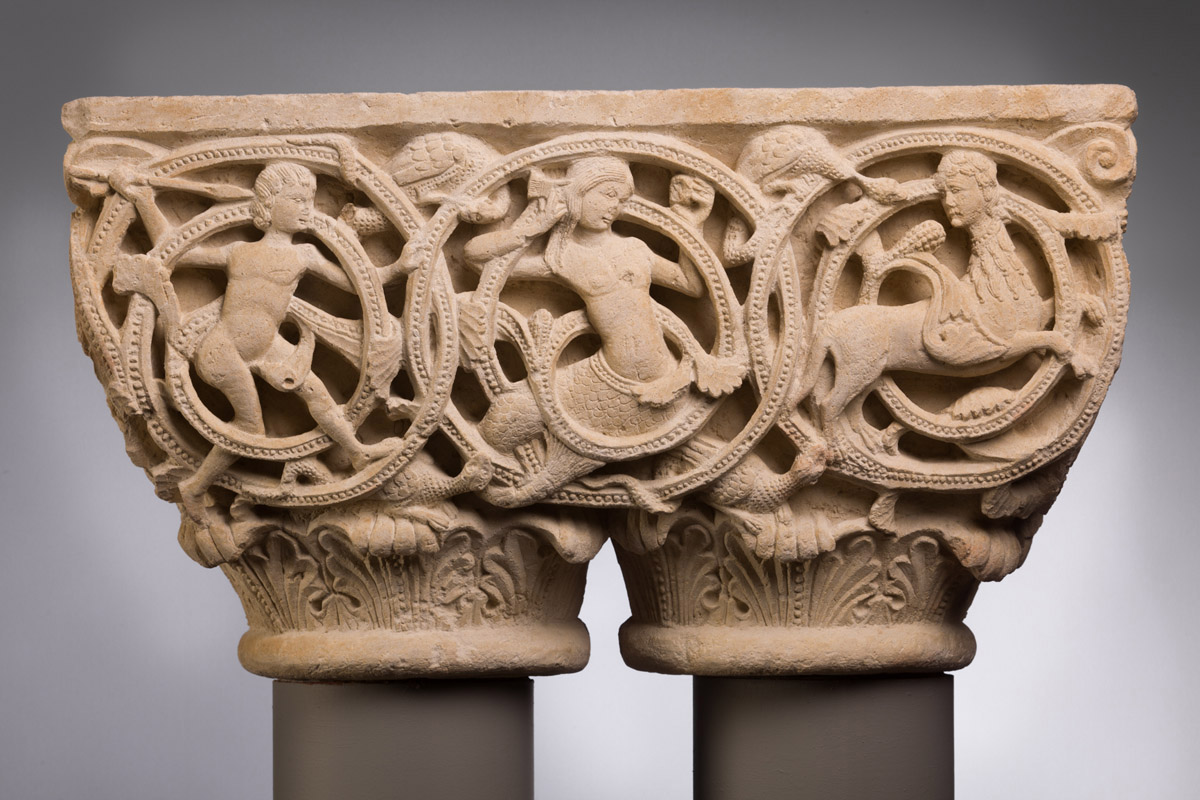
A 12th-century Romanesque column capital, from Notre-Dame de la Daurade Monastery in Toulouse, no longer in existence
Mairie de Toulouse, musée des Augustins – Photo Daniel Martin
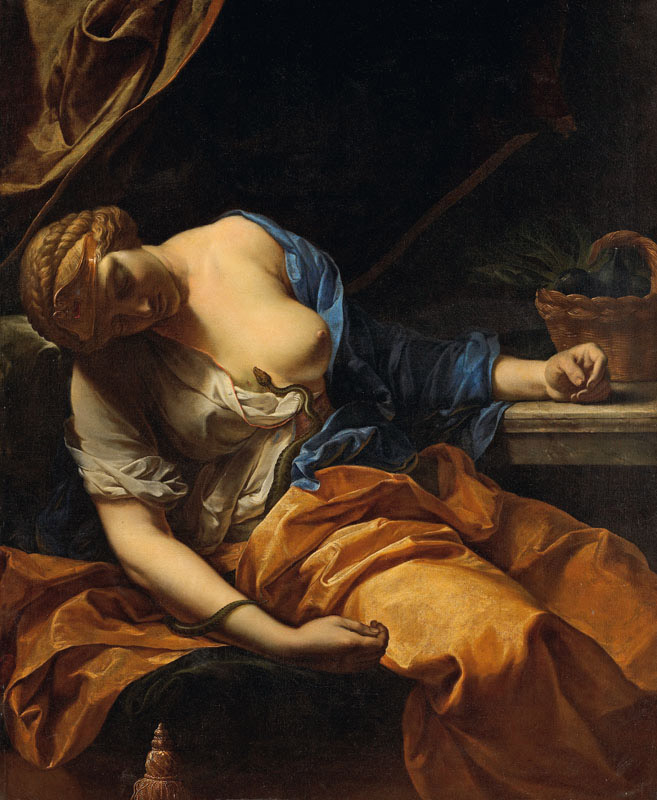
A painting depicting the death of Cleopatra
Antoine Rivalz, The death of Cleopatra, between 1700 and 1715
Mairie de Toulouse, Musée des Augustins – Photo Daniel Martin
… with alternative keys to their understanding
What do these paintings and sculptures have to tell us about the world we inhabit? What heritage do they reveal, and what imaginary worlds have they created that are still relevant today? This new exhibition design pays particularly close attention to the way in which figures are represented, the codes used and the stereotypes that often shape the heroes and heroines that populate our visual universe and inner world. These are just some of the keys to their understanding that resonate with our modern-day concerns !
A self-guided tour
There are no restrictions here: your visit to the museum and exploration of the selected artworks remains a personal experience, whether you want to learn or just experience a simple yet fundamental aesthetic, depending on how you feel at the time. We hope that by the end of the visit, everyone will sense their horizons have been expanded, some will perhaps feel a little unsettled, but never indifferent !

Part of a sculpture by Laurent Marqueste (click the image to see the whole sculpture)
Perseus and the Gorgon, approx. 1887
Mairie de Toulouse, Musée des Augustins – Photo Daniel Martin
What is exhibition design ?
Exhibition design is the way in which artworks are presented, organised, illuminated and contextualised, and the way the general public moves around the exhibition. It’s a discipline at the crossroads between exhibition layout, education (text, interactive features), aesthetics (choice of pace, colours, lighting) and sometimes even the psychology of the viewer (how to capture attention and adjust downtime).
Our new exhibition design is the result of a joint effort led by the conservation team and the museum’s visitor experience department, with a multidisciplinary team of layout designers: Scenografia, represented by Valentina Dodi, together with Igor Devernay (Grafica) for the graphic design and Benoît Deseille (Hi Lighting Design) for the lighting.